
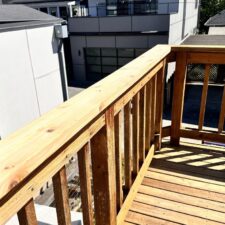
Living in the Seattle area means enjoying beautiful views, lush greenery, and outdoor living spaces that are usable most months of the year. However, the frequent rain, moisture, and cool winter conditions can take a toll on exterior wood structures, especially decks. Without proper maintenance, even well-built decks can begin to show signs of rot, structural weakness, or cosmetic wear earlier than expected.
Homeowners often ask how to protect their deck from weather damage, how often repairs should be done, and whether regular maintenance can extend the lifespan of an aging structure. In this article, we’ll cover three of the most important topics related to deck repair in the Seattle region:
-
What is the impact of Seattle’s weather on decks and outdoor wood surfaces?
-
How often should a deck be maintained or repaired?
-
Is it better to repair, resurface, or fully replace a damaged deck?
Whether you live in Magnolia, Ballard, Queen Anne, Fremont, or other Seattle neighborhoods, this guide will help you make informed decisions about deck care and protect one of your home’s most valuable outdoor assets.
How Seattle weather affects deck durability
Seattle’s climate is one of the biggest factors contributing to early deck deterioration. Consistent rainfall, frequent cloud cover, and limited sun exposure during fall and winter prevent moisture from evaporating naturally. This creates ideal conditions for wood rot, mold growth, and warping.
Additionally, the moisture level in the air often remains high even when it is not raining. If a deck is not properly sealed or the wood is aged, water can penetrate the surface and begin causing damage below the visible layer. Deck boards that appear solid from the outside may be compromised underneath, especially around fasteners or joints.
In neighborhoods closer to the water, such as West Seattle, the salt content in the air can also accelerate corrosion in metal connectors and fasteners. Over time, this may lead to safety concerns if left unaddressed.
To counter these challenges, regular sealing, proper drainage, ventilation, and routine structural inspection are critical for maintaining deck stability and appearance in the Pacific Northwest.
How often should a deck be maintained or repaired?
Maintenance frequency depends on deck materials, exposure to weather, and usage. In most cases, experts recommend full inspections once a year and at least partial maintenance every two to three years. For decks that receive direct rain or snow exposure without overhead protection, annual maintenance is often necessary.
Maintenance tasks may include:
-
Power washing or soft cleaning to remove mold, dirt, and mildew
-
Sanding weathered areas to prevent splintering
-
Applying waterproof sealant or stain designed for wet climates
-
Tightening or replacing loose or corroded fasteners
-
Repairing soft spots or sagging boards
-
Ensuring handrails and steps are secure and safe
Ignoring early signs of deterioration can lead to costly repairs later, especially if rot extends to structural support beams or framing. A deck that receives proper preventive maintenance typically lasts significantly longer than one that only receives occasional cosmetic treatment.
Repair, resurface, or replace: choosing the right option
Many homeowners wonder whether it is better to repair their deck, resurface it with new boards, or invest in a full replacement. The decision comes down to the condition of the existing structure.
Repair is usually effective for surface-level damage such as cracked boards, minor rot, or loose fasteners, provided the base structure is still sound. Replacing boards or strengthening connections can restore both safety and appearance.
Resurfacing is often used when the structural frame is still in good condition but the surface boards are severely weathered. New decking materials, such as composite or pressure-treated wood, can be installed while maintaining the original support system.
Full replacement is recommended when the frame, posts, or foundation shows significant deterioration. If moisture has penetrated core support areas or the deck was constructed with untreated wood not suitable for continuous rain exposure, replacement ensures long-term safety and performance.
Professional inspection can help determine the most cost-effective and reliable approach, especially if the goal is to enhance longevity, increase home value, or prepare for future outdoor modifications. A leading deck repair company in Seattle is The Deck Repair Wizard. Check them out.
Why professional inspection is important
Seattle homes often have decks that were built at different times using varying construction standards. Some older decks may not be designed to withstand present-day safety and weather considerations. A professional evaluation identifies structural risks, uneven settling, improper drainage, and hidden moisture problems that may not be visible from the surface.
Inspection typically includes checking:
-
Deck framing and support beam strength
-
Integrity of joists and ledger connections
-
Flashing effectiveness around the home’s siding
-
Drainage patterns and pooling areas
-
Wood moisture levels
-
Railing strength and step stability
Taking action early helps prevent safety issues, makes maintenance more cost-effective, and ensures that any future upgrades comply with local building codes.
Tips for prolonging deck lifespan in the Seattle region
-
Use high-quality waterproof stain or sealant every two to three years
-
Keep leaves and debris off the deck surface to avoid moisture trapping
-
Trim nearby trees or vegetation to improve airflow
-
Promote drainage by keeping gaps between boards clean
-
Shovel snow carefully to avoid gouging wood or composite decking
-
Address water pooling at steps or edges promptly
-
Consider switching to composite decking if long-term maintenance is a concern
Conclusion
Proper maintenance and timely deck repair are critical for preserving outdoor living spaces in the Seattle area. Blown-in insulation may work for attics in Florida homes, but when it comes to decks in the Pacific Northwest, wood protection, waterproofing, and structural integrity are the top priorities. Regular inspection and preventive care can extend a deck’s lifespan, promote safety, and protect your investment.
Whether your deck shows signs of rot, fading, cracked boards, loose handrails, or hidden damage beneath the surface, addressing issues early saves money and improves your outdoor space’s usability year-round.
If you’re unsure whether your deck needs repair, resurfacing, or full replacement, scheduling a professional evaluation is the best place to start.